More Than What We See Today
We’re aiming each child toward heaven. We do what we do with an eternal perspective.
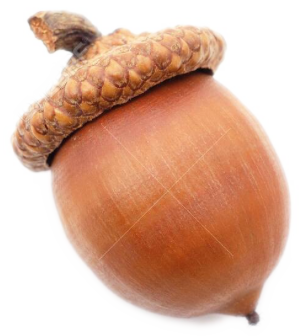
We started our faculty meeting on Monday with each teacher receiving an acorn. Our conversation eventually led us to this question: What if we saw the acorn only for what it is right now? That small acorn holds the potential to grow into a mighty oak tree with deep roots, providing shade, nourishment, and air—an abundance of things. What we see today is only a glimpse of what that acorn may become.
That small acorn holds the potential to grow into a mighty oak tree with deep roots, providing shade, nourishment, and air—an abundance of things. What we see today is only a glimpse of what that acorn may become.
As we approach parent-teacher conferences this week, know that we are there to talk about real things: what is challenging for students, where they are having success, and how we can support and encourage them. At the same time, we recognize that what we are hearing and seeing right now is about more than where they are in this moment. It is also about the potential God has placed within them and the purposes He has for them. As Philippians tells us, He who began a good work in us will bring it to completion in Christ Jesus.
So, if you walk into a classroom and see an acorn, you’ll know why. It reminds us that what we see today is only a glimpse of the work God is doing in each child.
That same perspective matters when we read a report card. A report card gives us a useful snapshot of one part of a student’s present: how well they have mastered the concepts and skills they have been learning. We report grades regularly and share report cards to communicate students’ level of mastery to parents and students and to inform the teacher’s teaching.
Have you ever why when you review your students assignments and tests the grade isn’t at the top of the first page? That is because it would be easy for a student to begin to see their value in the grade posted front and center of the page and inadvertently dismiss the feedback from the teacher. If they have done really well, they may dismiss the recommendations or areas of excellence their teachers have taken time to share. If they have done poorly, they may think the grade determines their value. But that is not their value. The grade reflects how well they have mastered a particular concept or skill.
So we place the grade on the back, in the bottom right. It is there because it communicates information to students, parents, and teachers, but it is not the most important thing. We want students to receive their teacher’s feedback first: what they did well, where they need to make corrections, and where or how they can grow. Then they can turn the paper over and look at the grade. Grades matter, but they are not the only thing that matters.
Report cards use words such as excellent, good, and satisfactory to describe what a student has demonstrated in a particular area. If everything were excellent, our students would have nothing left to learn. Excellence is often something we work toward as mastery of a concept or skill grows. When students demonstrate excellent mastery, we want to recognize it. Good or satisfactory work shows that students have learned what was expected and demonstrated that learning; sometimes, the report card also shows where they need to keep working. Each mark is a snapshot of a particular concept or skill at that time. It does not determine a child’s full potential. At times, it may also reflect a student’s commitment to demonstrating what they have learned. We are helping our students develop good habits of excellent work so they can reach their full potential. That formation takes time; it may be years in the making.
I encourage you to make time to come and talk with your child’s teachers for parent teacher conference. One of the things I enjoy about giving tours and introducing people to our school is giving our older students the opportunity to talk with visitors. They regularly express that they know their teachers care about them and are willing to make themselves available to help. It is encouraging to hear students speak with such confidence about their teachers’ care. Those relationships are one of the things that make Covenant a special place.
The teachers who serve at Covenant Classical Christian School have made a commitment to partner with parents and help the students entrusted to us grow to be steadfast and courageous disciples, scholars, and citizens.
I love the C. S. Lewis quote: “Aim at heaven and you will get earth thrown in; aim at earth and you will get neither.” We’re aiming each child toward heaven. We do what we do with an eternal perspective. So, as we meet this week, may the little acorn remind us that the work God is doing in these children entrusted to us bears an eternal weight of glory far beyond any comparison.
